Real Celebrities Live Forever!
Enter your birthday to meet your past celebrity birthday twins.
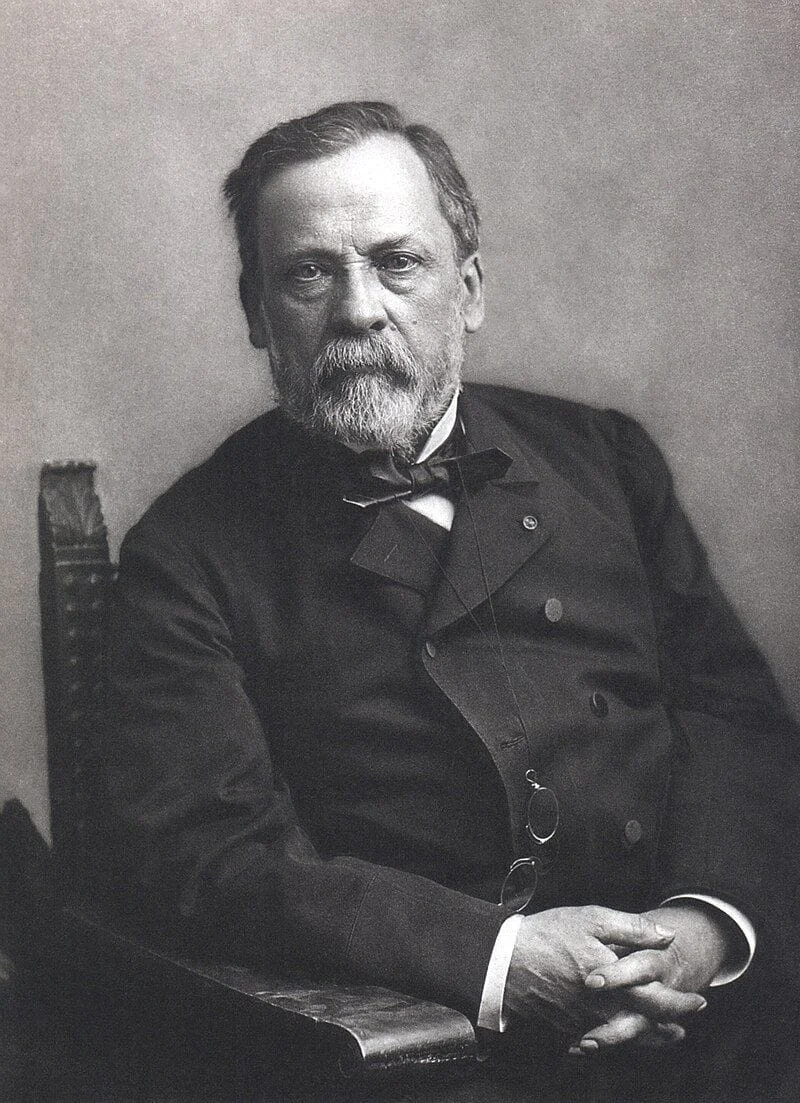
source:wikipedia.org
Louis Pasteur
Birthday:
27 Dec, 1822
Date of Death:
28 Sep, 1895
Cause of death:
Stroke
Nationality:
French
Famous As:
Chemist
Age at the time of death:
72
Louis Pasteur's Quote's
Birth of a genius
Louis Pasteur was born on December 27, 1822, in Dole, France. He was capable of perceiving what others couldn’t see. While others saw disease and decay, he saw the play of microbes. Pasteur shed light on our understanding of disease and fermentation through extensive research.
Early Life and the Spark of Curiosity
Louis Pasteur had both artistic leanings and a curiosity about the natural world in his childhood. While he started off as an average student, he excelled in secondary school because of his passion for physics and chemistry. He joined École Normale Supérieure in Paris in 1843 and experienced great intellectual growth under the influential chemist Jean-Baptiste Dumas.
Crystallizing Genius: Early Discoveries
Pasteur’s research career began in the realm of crystallography. His work on molecular asymmetry established the basis for progress in stereochemistry. His early achievement planted the seeds for a lifelong journey towards scientific rigor and the pursuit of knowledge beyond what is currently understood.
Fermentation and the Germ Theory
During the mid-19th century, the reason behind fermentation remained as a mystery. Pasteur conducted a series of experiments to investigate the souring of wine. He demonstrated that fermentation is not a random chemical reaction. He demonstrated that living microorganisms, like yeast in wine-making, play a crucial role in the fermentation process. This discovery revolutionized wine and beer industries and challenged the theory of spontaneous generation. It paving the way for the germ theory of disease.
Vaccinating the World: From Rabies to Anthrax
Pasteur’s firm belief in the germ theory motivated his research into disease origins. Through a series of groundbreaking experiments, he created vaccines for rabies, anthrax, and fowl cholera. The most dramatic example was the case of Joseph Meister, a young boy bitten by a rabid dog. Pasteur’s rabies vaccine saved Joseph’s life. It was a significant moment in medical history.
Beyond Vaccines: Pasteurization and Public Health
Pasteur’s contributions were not limited to vaccines. He created the process of pasteurization to ensure the safety of milk and other beverages. This simple technique protects millions globally from food-borne diseases.
A Legacy of Light and Hope
Louis Pasteur died on September 28, 1895, leaving a lasting legacy. Through his unyielding curiosity, dedication to humanity, and relentless pursuit of knowledge, he changed our understanding about the microbial realm.
Name:
Louis Pasteur
Popular Name:
Louis Pasteur
Gender:
Male
Cause of Death:
Stroke
Spouse:
Place of Birth:
Dole, Jura, France
Place of Death:
Marnes-la-Coquette, Île-de-France, France
Occupation / Profession:
Personality Type
Architect: Imaginative and strategic thinkers, with a plan for everything. Pasteur’s analytical mind, innovative research, and strategic thinking align with the traits of an Architect personality type, which values logic and long-term planning for breakthroughs.
He developed the process of pasteurization, which is still used today to preserve food.
He saved the lives of many with his rabies vaccine.
His work established the foundations of immunology.
Pasteur was not the best student in school, but he later became one of the most influential scientists in history.
Developed the first vaccines for rabies and anthrax.
Founding member of the Pasteur Institute, a leading research organization.
Invented the process of pasteurization to prevent the spoilage of milk and other beverages.
Made critical contributions to the germ theory of disease.
Latest Profiles
People also viewed
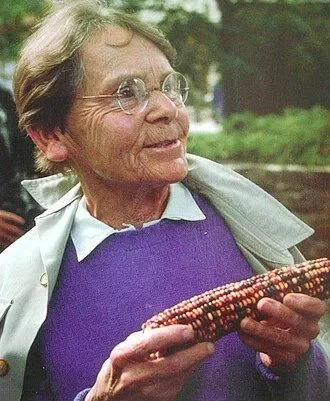
Barbara McClintock
Born16 Jun, 1902
Died02 Sep, 1992
NationalityAmerican
Age at time of death90
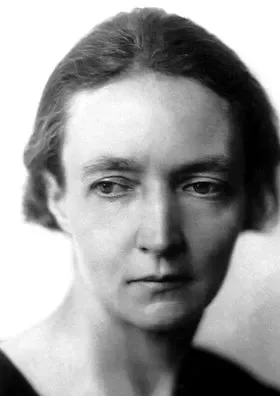
Irène Joliot-Curie
Born12 Sep, 1897
Died17 Mar, 1956
NationalityFrench
Age at time of death58
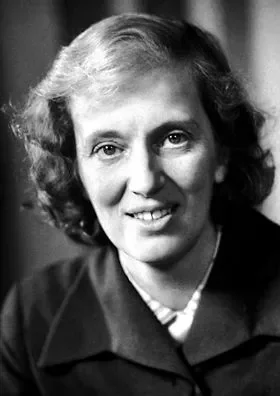
Dorothy Hodgkin
Born12 May, 1910
Died29 Jul, 1994
NationalityBritish
Age at time of death84
Siou-Ling Tsien de Perlinghi
Born13 Mar, 1913
Died01 Aug, 2008
NationalityChinese, Belgian
Age at time of death95
Alfred Nobel
Born21 Oct, 1833
Died10 Dec, 1896
NationalitySwedish
Age at time of death63
Colonel Sir Benjamin Thompson, Count Rumford
Born26 Mar, 1753
Died21 Aug, 1814
NationalityAmerican, British
Age at time of death61
Marie Curie
Born07 Nov, 1867
Died04 Jul, 1934
NationalityPolish, French
Age at time of death66
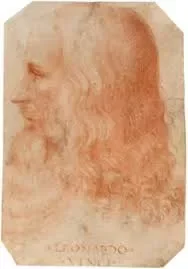
Leonardo da Vinci
Born15 Apr, 1452
Died02 May, 1519
NationalityItalian
Age at time of death67
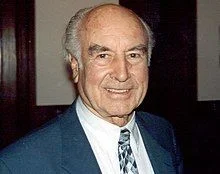
Albert Hofmann
Born11 Jan, 1906
Died29 Apr, 2008
NationalitySwiss
Age at time of death102
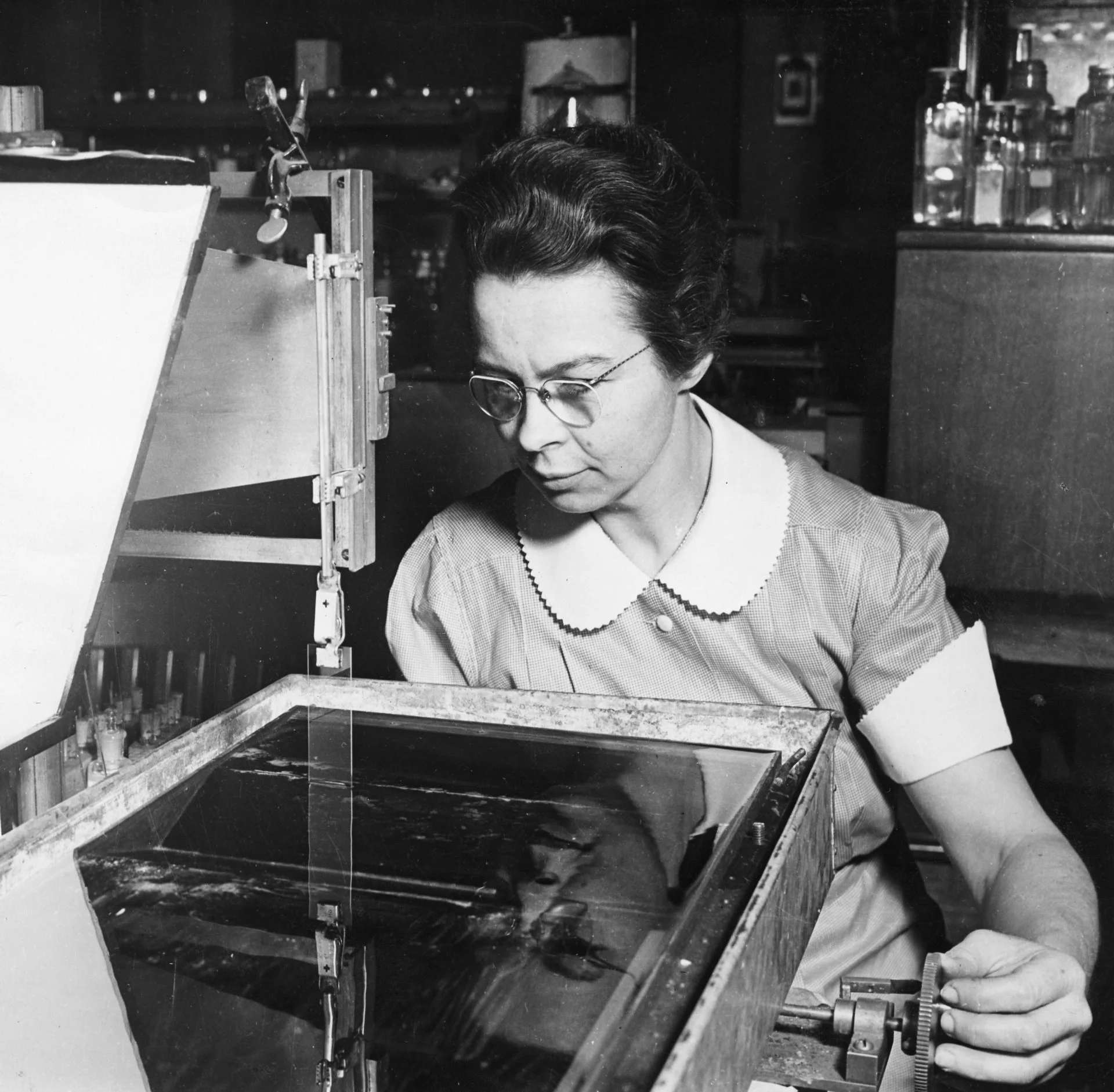
Katharine Burr Blodgett
Born10 Jan, 1898
Died12 Oct, 1979
NationalityAmerican
Age at time of death81
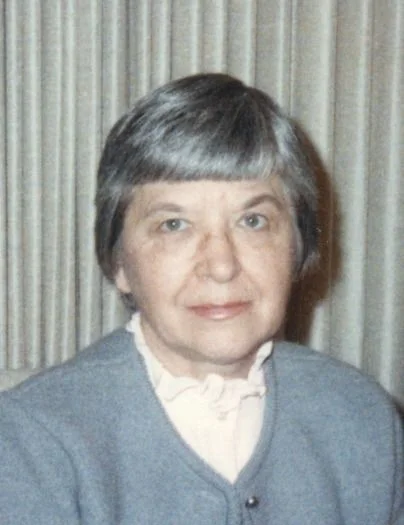
Stephanie Kwolek
Born31 Jul, 1923
Died18 Jun, 2014
NationalityPolish, American
Age at time of death90
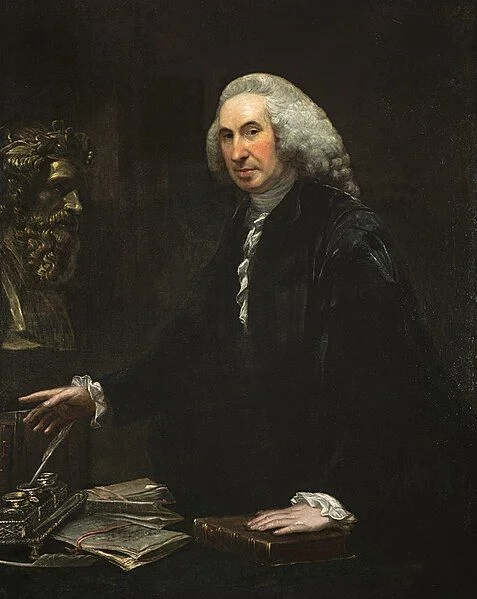
William Cullen
Born15 Apr, 1710
Died05 Feb, 1790
NationalityScottish
Age at time of death79
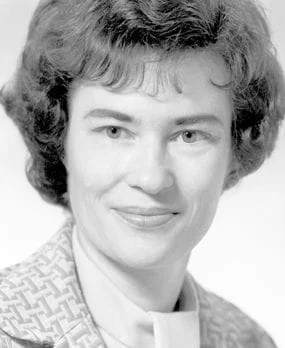
Patsy Sherman
Born15 Sep, 1930
Died11 Feb, 2008
NationalityAmerican
Age at time of death77
Bert Achong
Born06 Dec, 1928
Died20 Nov, 1996
NationalityTrinidadian, British
Age at time of death67
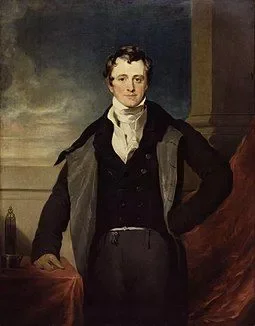
Sir Humphry Davy
Born17 Dec, 1778
Died29 May, 1829
NationalityBritish
Age at time of death50
Antoine Lavoisier
Born26 Aug, 1743
Died08 May, 1794
NationalityFrench
Age at time of death50
Otto Hahn
Born08 Mar, 1879
Died28 Jul, 1968
NationalityGerman
Age at time of death89
Gregor Mendel
Born20 Jul, 1822
Died06 Jan, 1884
NationalityAustrian
Age at time of death61
John Walker
Born29 May, 1781
Died01 May, 1859
NationalityBritish
Age at time of death77