Real Celebrities Live Forever!
Enter your birthday to meet your past celebrity birthday twins.
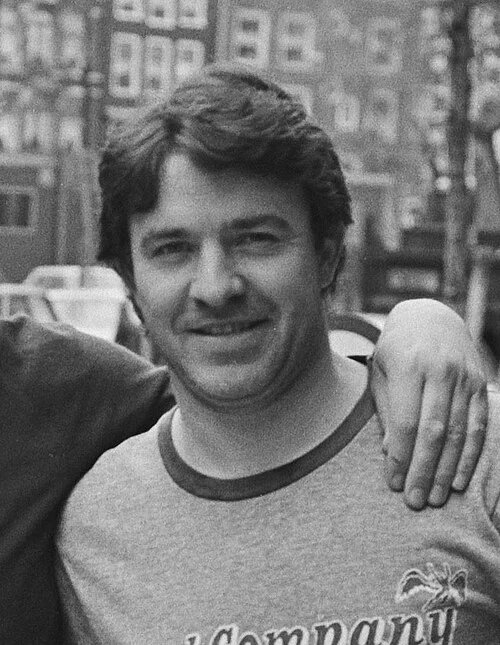
https://en.wikipedia.org/wiki/John_Robertson_(footballer,_born_1953)
John Robertson
Birthday:
20 Jan, 1953
Date of Death:
25 Dec, 2025
Cause of death:
Passed away after a "long illness"
Nationality:
Scottish
Famous As:
Scottish Footballer
Age at the time of death:
72
John Neilson Robertson's Quote's
John Robertson is remembered as one of Scottish football’s most instinctive wide players whose pace, bravery, and left foot made him a symbol of Heart of Midlothian during one of the club’s most competitive modern eras. More than just a talented winger, Robertson embodied loyalty, resilience, and the emotional pull of the Scottish game, earning a place in the hearts of supporters who watched him grow from a local prospect into a club icon.
Early Life: A Footballing Childhood
Born in Edinburgh in 1964, John Robertson grew up immersed in a city where football loyalty ran deep, and rivalries shaped identity. Like many Scottish players of his generation, his early relationship with the game was rooted in community—kicking a ball in local spaces, absorbing the rhythms of matchdays, and dreaming of playing at the highest level. From an early age, his pace and natural attacking instinct stood out, hinting at a future on the wing rather than in the centre of the park.
One defining moment came when he joined Heart of Midlothian, the club he supported as a boy. That connection between player and club would become central to his story, lending his career an emotional weight that statistics alone could never capture.
Education: Learning the Game the Hard Way
Robertson did not follow an academic or glamorous development path. His education in football came through training grounds, reserve matches, and the physical demands of senior Scottish football. As a young player breaking into Hearts’ first team in the early 1980s, he learned quickly that talent alone was not enough. The Scottish top flight demanded toughness, consistency, and courage—qualities Robertson developed alongside his natural flair.
These formative years shaped his playing style: direct, fearless, and relentlessly positive. He was the kind of winger who ran at defenders repeatedly, unafraid of tackles, and willing to track back just as hard as he attacked.
Career Journey: The Making of a Club Legend
Robertson’s career is inseparable from Heart of Midlothian, where he enjoyed multiple spells and his greatest successes. His breakthrough came in the mid-1980s, a period when Hearts were re-emerging as a force in Scottish football. Operating primarily on the left wing, Robertson became a vital outlet—stretching defences, delivering dangerous crosses, and contributing crucial goals from wide positions.
The 1985–86 season stands as a defining chapter. Hearts came agonisingly close to winning the league, and Robertson was a central figure in that campaign. His performances captured what supporters loved most: urgency, commitment, and visible passion. Even in disappointment, his reputation grew.
A move away from Tynecastle later in his career exposed him to different environments, but it was always clear where he belonged. When he returned to Hearts, it felt less like a transfer and more like a homecoming. One of the crowning moments of his playing career came with Hearts’ Scottish Cup triumph in 1998, a historic victory that ended the club’s long wait for the trophy. Though injuries limited his role by then, Robertson’s presence and legacy were woven into the fabric of that success.
Trivia fans still enjoy: despite being a winger, Robertson was known for scoring unusually powerful goals—his shooting technique often surprised goalkeepers who expected crosses rather than strikes.
Personal Life
Off the pitch, Robertson maintained a relatively private life, reflecting the understated professionalism of his generation. He was known among teammates as grounded and approachable, more focused on football than celebrity. His deep bond with Hearts supporters stemmed in part from this authenticity—he felt like one of them, just lucky enough to wear the shirt.
After retiring as a player, Robertson remained involved in football, moving into coaching and management roles. These later chapters showed a different side of him: thoughtful, demanding, and keen to pass on the standards that had defined his own career.
Legacy
John Robertson’s legacy is not measured solely in appearances or goals, but in identity. He represents a kind of Scottish footballer rooted in place, loyalty, and honest effort. For Hearts supporters, he is remembered as a homegrown hero who played with heart as much as skill—a player who understood what the badge meant.
In the wider story of Scottish football, Robertson stands as a reminder that greatness is not always about global fame. Sometimes, it’s about belonging, consistency, and leaving a mark so deep that decades later, a name still sparks recognition and respect. John Robertson did exactly that—running down the left wing, sleeves rolled up, carrying the spirit of his club with every stride.
Name:
John Neilson Robertson
Popular Name:
John Robertson
Gender:
Male
Cause of Death:
Passed away after a "long illness"
Spouse:
Place of Birth:
Viewpark, Scotland, United Kingdom
Place of Death:
Publicly undisclosed
Famous As / Occupation:
Personality Type
Logistician: John Robertson was a quietly driven professional defined by loyalty, discipline, and an unwavering commitment to doing things the right way.
Robertson was a boyhood Hearts supporter, making his long association with the club especially meaningful to fans.
Despite playing as a winger, he was known for a remarkably powerful and direct shooting style, often surprising goalkeepers.
After retiring as a player, he returned to Hearts in a managerial role, extending his legacy beyond the pitch.
John Robertson’s greatest achievement came as part of Heart of Midlothian’s historic Scottish Cup victory in 1998, a triumph that ended the club’s 36-year wait for the trophy and cemented his status as a club legend.
He was a central figure during Hearts’ near-title-winning 1985–86 season, when the club mounted one of the strongest league challenges in its modern history.
Across multiple spells at Tynecastle, he became synonymous with consistency and commitment on the left wing.
In recognition of his impact, he was later inducted into the Heart of Midlothian Hall of Fame.
Additional Links
Latest Profiles
People also viewed
Luis Tiant
Born23 Nov, 1940
Died08 Oct, 2024
NationalityCuban
Age at time of death83
James Naismith
Born06 Nov, 1861
Died28 Nov, 1939
NationalityCanadian, American
Age at time of death78
Don Shula
Born04 Jan, 1930
Died04 May, 2020
NationalityAmerican
Age at time of death90
Walter Chrysler
Born02 Apr, 1875
Died18 Aug, 1940
NationalityAmerican
Age at time of death65
Franz Beckenbauer
Born11 Sep, 1945
Died07 Jan, 2024
NationalityGerman
Age at time of death78
Tony Book
Born04 Sep, 1934
Died13 Jan, 2025
NationalityEnglish
Age at time of death90
Diego Maradona
Born30 Oct, 1960
Died25 Nov, 2020
NationalityArgentine
Age at time of death60
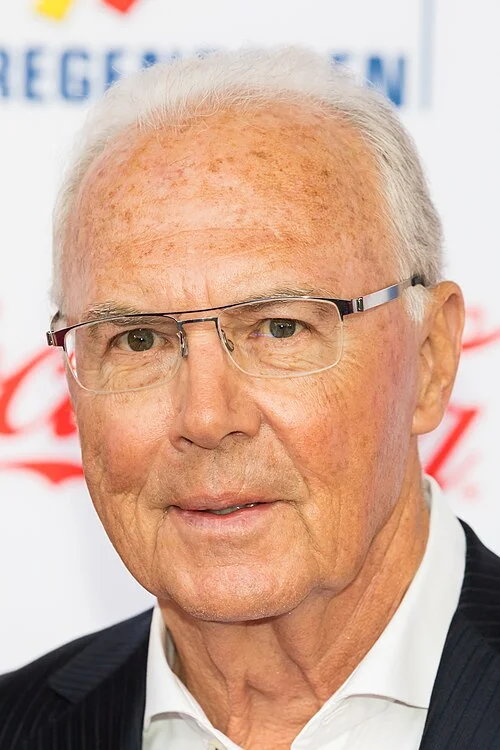
Franz Beckenbauer
Born11 Sep, 1945
Died07 Jan, 2024
NationalityGerman
Age at time of death78

Billy Hunter
Born04 Jun, 1928
Died03 Jul, 2025
NationalityAmerican
Age at time of death97

Koyo Kouoh
Born24 Dec, 1967
Died10 May, 2025
NationalityCameroonian
Age at time of death57
Lee Elia
Born16 Jul, 1937
Died09 Jul, 2025
NationalityAmerican
Age at time of death87
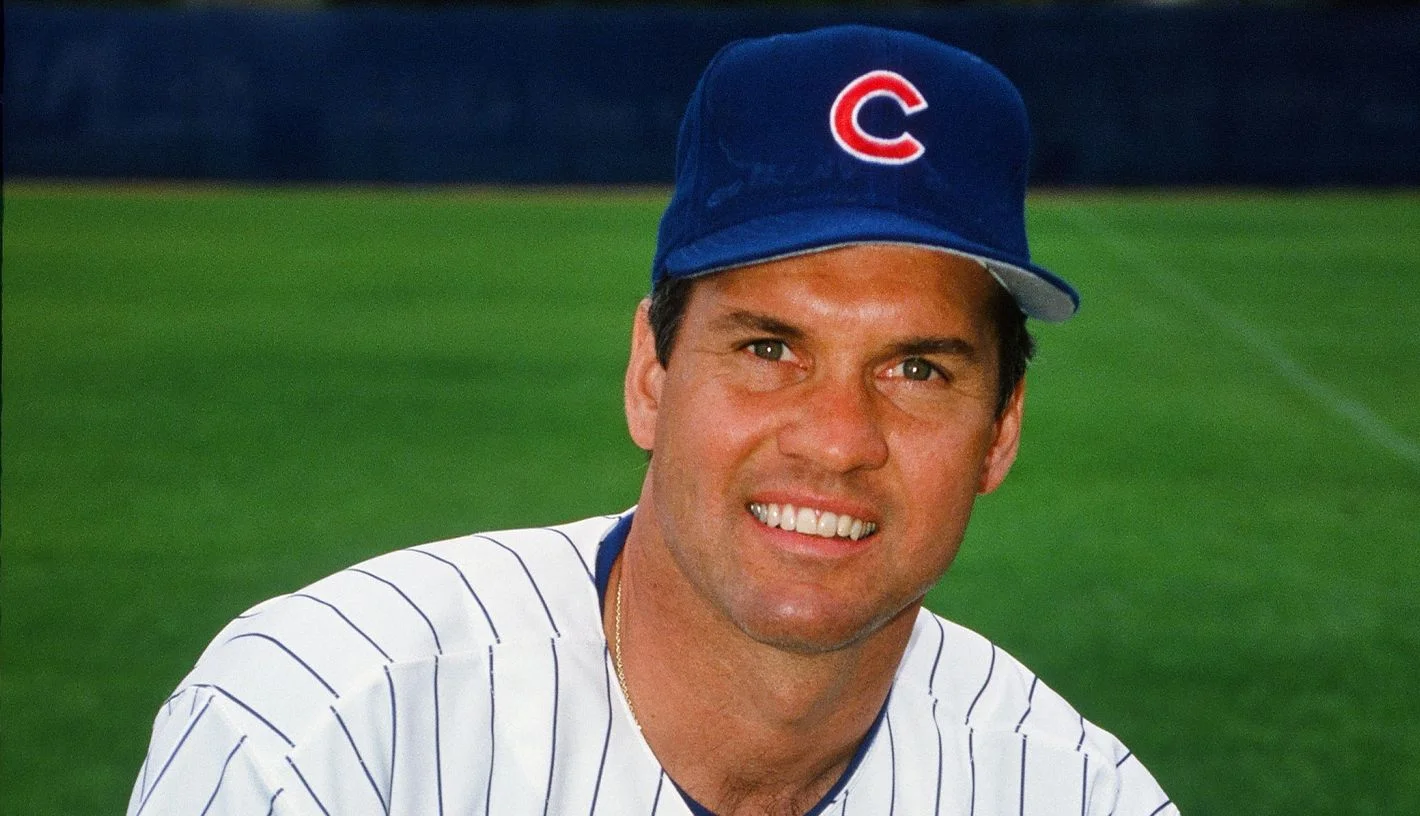
Ryne Sandberg
Born07 Sep, 1959
Died28 Jul, 2025
NationalityAmerican
Age at time of death65
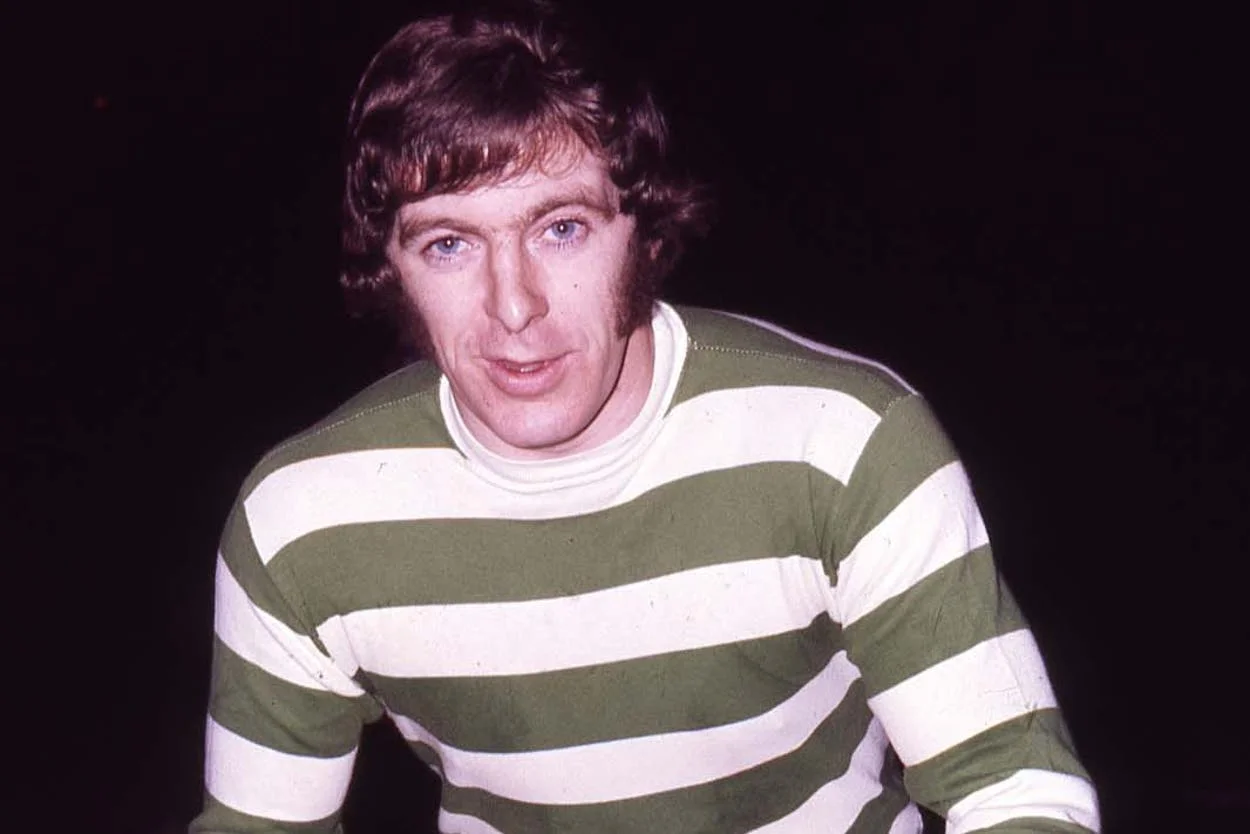
Dixie Deans
Born30 Jul, 1946
Died09 Dec, 2025
NationalityScottish
Age at time of death79