Real Celebrities Live Forever!
Enter your birthday to meet your past celebrity birthday twins.

souce:wikipedia.org
Arthur leonard schawlow
Birthday:
05 May, 1921
Date of Death:
28 Apr, 1999
Cause of death:
Leukemia
Nationality:
American
Famous As:
Physicist
Age at the time of death:
77
Arthur Leonard Schawlow's Quote's
Early Life and Education
Arthur Leonard Schawlow was born on May 5th, 1921, in Mount Vernon, New York. His family moved to Canada when he was just three years old, raising him in Toronto. He was very much interested in science from a very young age.
Schawlow attended public schools in Mount Vernon and he excelled in math and science. Since he was very passionate about physics, he enrolled at the University of Toronto in 1939. While pursuing his higher education in Physics he was guided by renowned physicist Arnold Nordsieck. He inspired Schawlow to delve deeper into the mysteries of the universe.
World War II and Academic Achievements
During World War II, Schawlow’s education was interrupted. During that time he served his country by teaching Physics to military personnel. He got his master’s degree also during that period. In 1949, he received his Ph.D. in Physics from the University of Toronto.
Personal Life
Scientists are believed to be bookworms. But Arthur Leonard Schawlow wasn’t one; he was a people person too. In 1951, he married Aurelia Townes, the sister of his future scientific collaborator, Charles Townes. Together, they built a happy family and raised three children.
Career at Bell Labs and Stanford University
In 1951 he joined Bell Labs, where he made significant contributions to the field of nuclear magnetic resonance. But his true calling awaited him at Stanford University. In 1961, he became a professor there and his life took a new turn.
Invention of the Laser
He worked along with Charles Townes, a brilliant physicist. Together, they planned a device that could amplify light waves, much like a MASER that amplifies microwaves. This revolutionary idea was named the Optical Maser. It was later shortened to the now-famous “laser.”
Their invention used a simple yet profound concept: using mirrors to create a cavity that would trap and amplify light waves. This simple process opened a doorway to a world of possibilities. The duo worked hard to create a working model of the laser. In 1960 they successfully developed a ruby laser which was marked as a turning point in history.
Impact of the Laser
Laser is a coherent beam of light with incredible properties. Now it’s used in everything from surgery and manufacturing to communication and scientific research. Laser is used for performing delicate eye surgeries to reading microscopic data on DVDs. The laser’s impact on our lives is undeniable.
Laser Spectroscopy and Nobel Prize
Schawlow’s contributions didn’t stop there. He continued his exploration of the fascinating world of laser spectroscopy. This technique uses lasers to study the properties of atoms and molecules with precision. For this work, he was awarded a shared Nobel Prize in physics in 1981. Sadly, Arthur Leonard Schawlow died of leukemia on April 28, 1999. He left behind a legacy of scientific brilliance.
Name:
Arthur Leonard Schawlow
Popular Name:
Arthur leonard schawlow
Gender:
Male
Cause of Death:
Leukemia
Spouse:
Place of Birth:
Mount Vernon, New York, U.S.
Place of Death:
Palo Alto, California, U.S.
Occupation / Profession:
Personality Type
Mediator: Poetic, kind and altruistic people, always eager to help a good cause. Despite his scientific background, he possesses great interpersonal skills and a helpful attitude.
Arthur Schawlow considered himself a devout Protestant Christian and attended a Methodist church regularly.
He was an advocate for facilitated communication, a controversial method for allowing people with autism to express themselves.
It's believed that witnessing a spectacular meteor shower as a child sparked his lifelong fascination with science
Schawlow was a big fan of traditional American jazz.
1962 – Stuart Ballantine Medal
1963 – Young Medal and Prize, for distinguished research in the field of optics presented by the Institute of physics
1970 – Elected to the American Academy of Arts and Sciences
1970 – Elected to the National Academy of Sciences
1976 – Awarded the Frederic Ives Medal by OSA
1981 – Nobel Prize for Physics
1983 – Golden Plate Award of the American Academy of Achievement
1984 – Elected to the American Philosophical Society
Latest Profiles
People also viewed
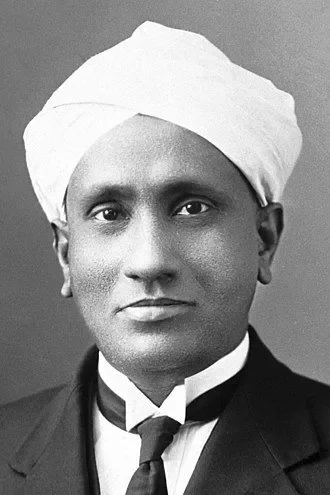
C. V. Raman
Born07 Nov, 1888
Died21 Nov, 1970
NationalityIndian
Age at time of death82
Eva Crane
Born12 Jun, 1912
Died06 Sep, 2007
NationalityBritish
Age at time of death95
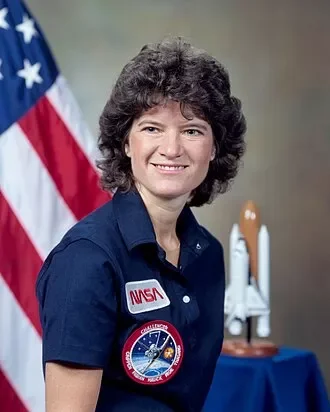
Sally Ride
Born26 May, 1951
Died23 Jul, 2012
NationalityAmerican
Age at time of death61
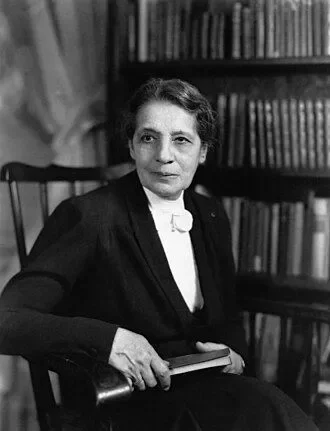
Lise Meitner
Born07 Nov, 1878
Died27 Oct, 1968
NationalityAustrian, Swedish
Age at time of death89
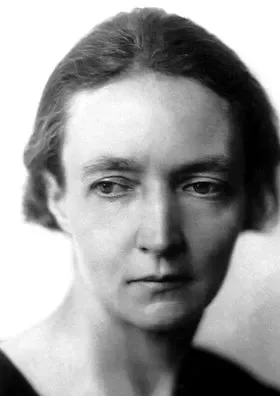
Irène Joliot-Curie
Born12 Sep, 1897
Died17 Mar, 1956
NationalityFrench
Age at time of death58
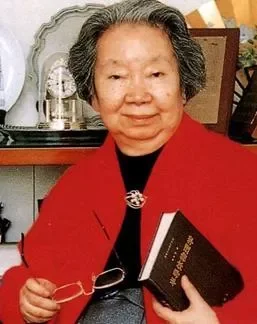
Xie Xide
Born19 Mar, 1921
Died04 Mar, 2000
NationalityChinese
Age at time of death78
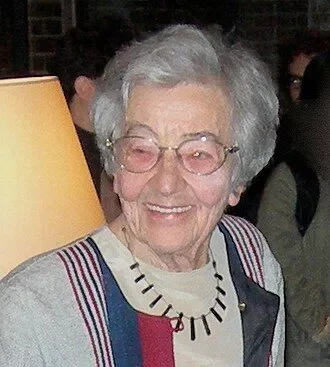
Ursula Franklin
Born16 Sep, 1921
Died22 Jul, 2016
NationalityGerman, Canadian
Age at time of death94
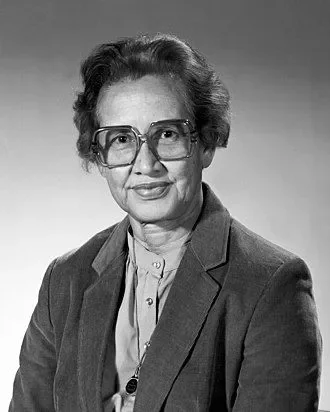
Katherine Johnson
Born26 Aug, 1918
Died24 Feb, 2020
NationalityAmerican
Age at time of death101
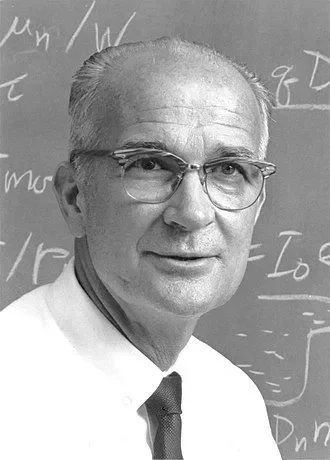
William Shockley
Born13 Feb, 1910
Died12 Aug, 1989
NationalityAmerican
Age at time of death79
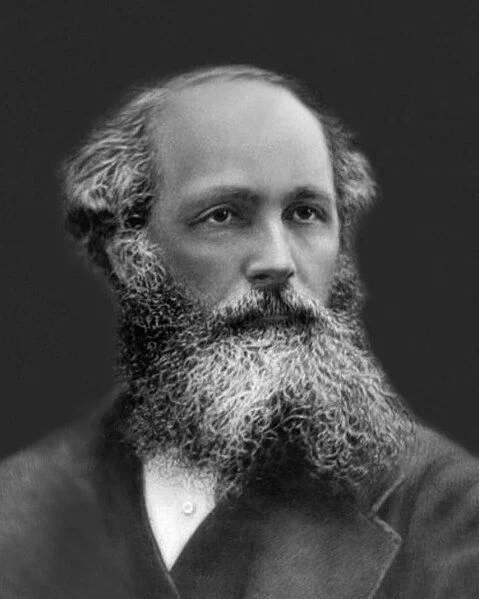
James Clerk Maxwell
Born13 Jun, 1831
Died05 Nov, 1879
NationalityScottish
Age at time of death48
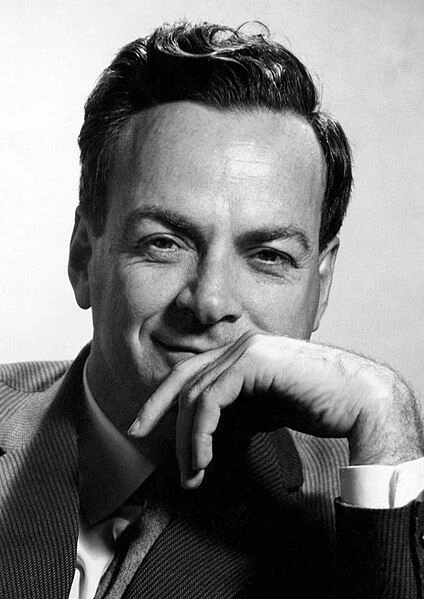
Richard Feynman
Born11 May, 1918
Died15 Feb, 1988
NationalityAmerican
Age at time of death69
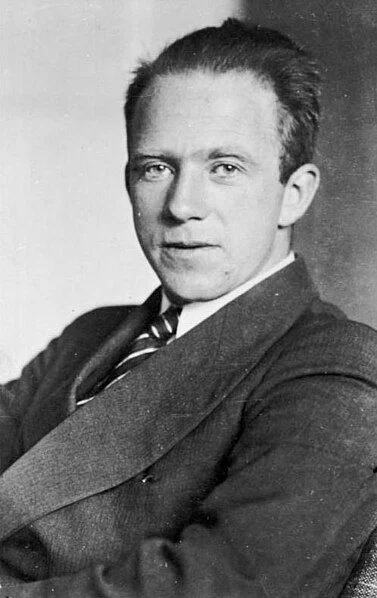
Werner Heisenberg
Born05 Dec, 1901
Died01 Feb, 1976
NationalityGerman
Age at time of death74
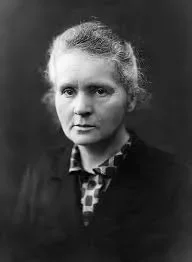
Marie Curie
Born07 Nov, 1867
Died04 Jul, 1934
NationalityPolish, French
Age at time of death66
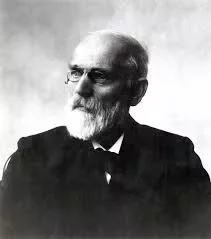
Johannes Diderik van der Waals
Born23 Nov, 1837
Died08 Mar, 1923
NationalityDutch
Age at time of death85
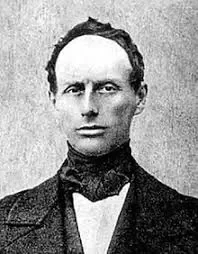
Christian Doppler
Born29 Nov, 1803
Died17 Mar, 1853
NationalityAustrian
Age at time of death49
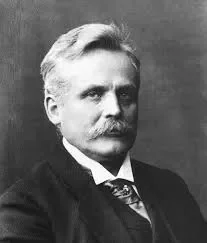
Wilhelm Wien
Born13 Jan, 1864
Died30 Aug, 1928
NationalityGerman
Age at time of death64
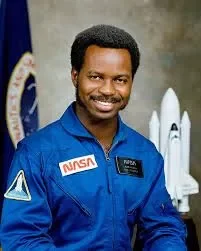
Ronald McNair
Born21 Oct, 1950
Died28 Jan, 1986
NationalityAmerican
Age at time of death35
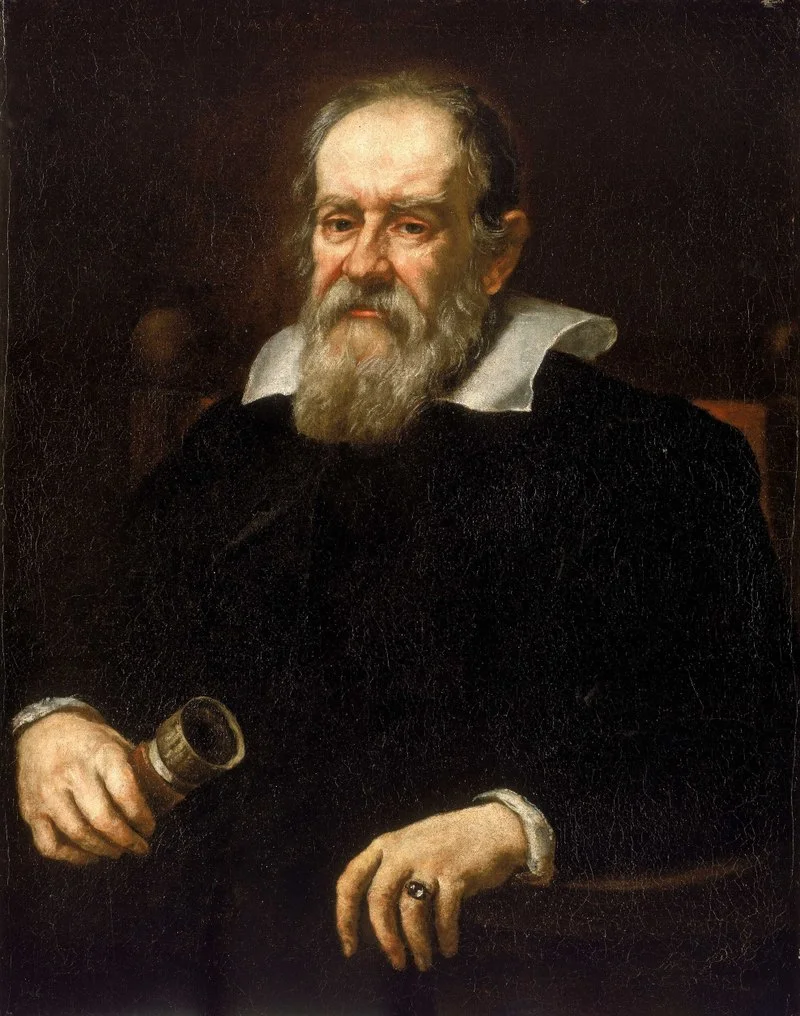
Galileo Galilei
Born15 Feb, 1564
Died08 Jan, 1642
NationalityItalian
Age at time of death77
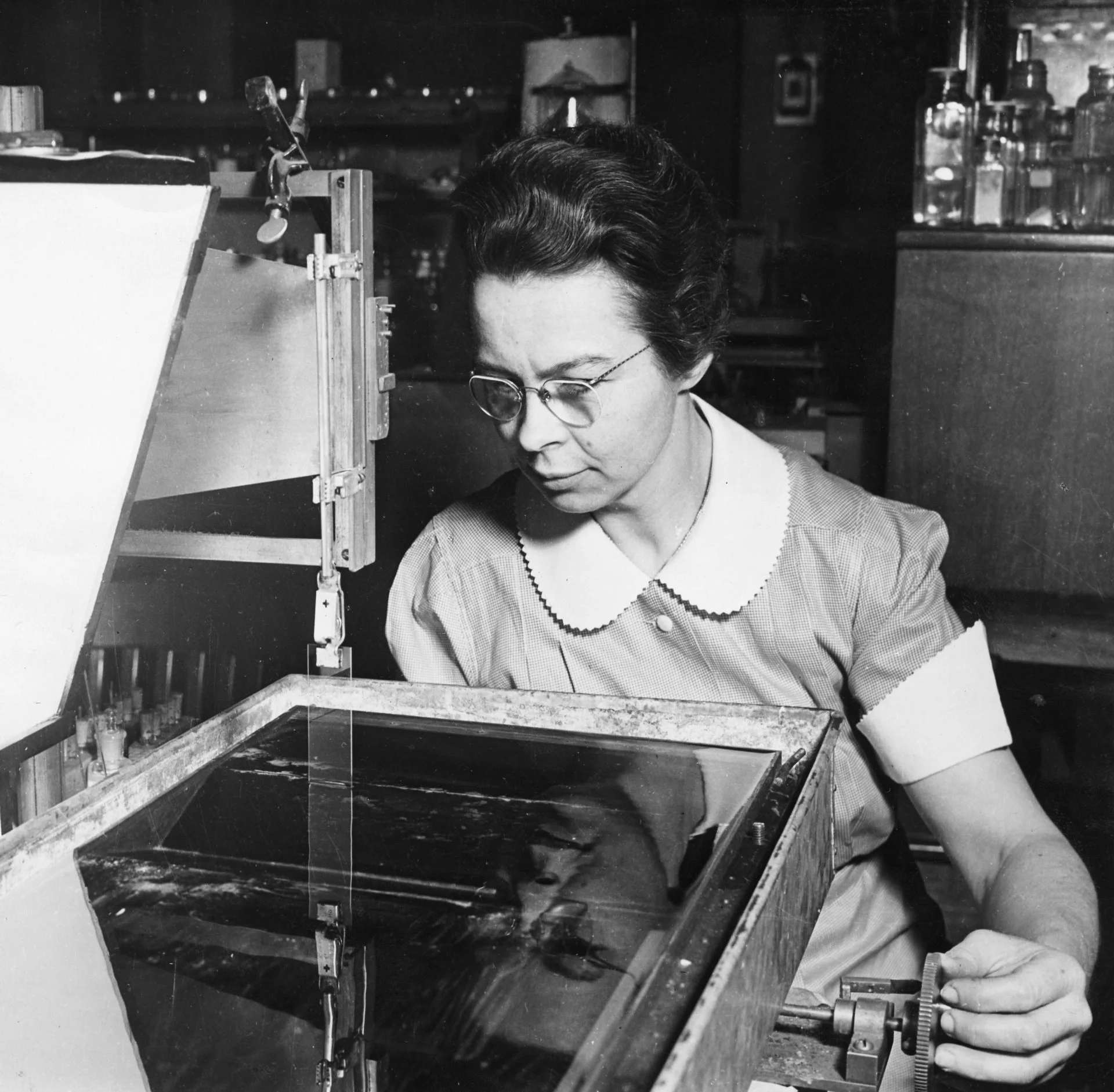
Katharine Burr Blodgett
Born10 Jan, 1898
Died12 Oct, 1979
NationalityAmerican
Age at time of death81
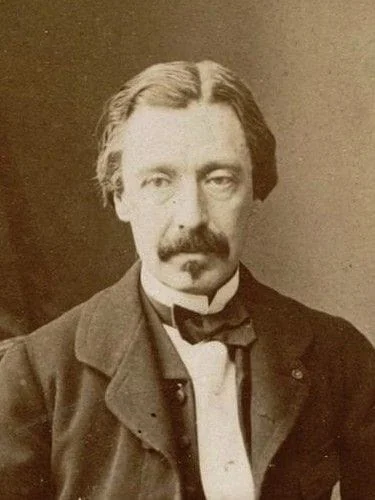
Léon Foucault
Born18 Sep, 1819
Died11 Feb, 1868
NationalityFrench
Age at time of death48